Anxiety Relief Bundle: 4-in-1 Calm Routine Kit
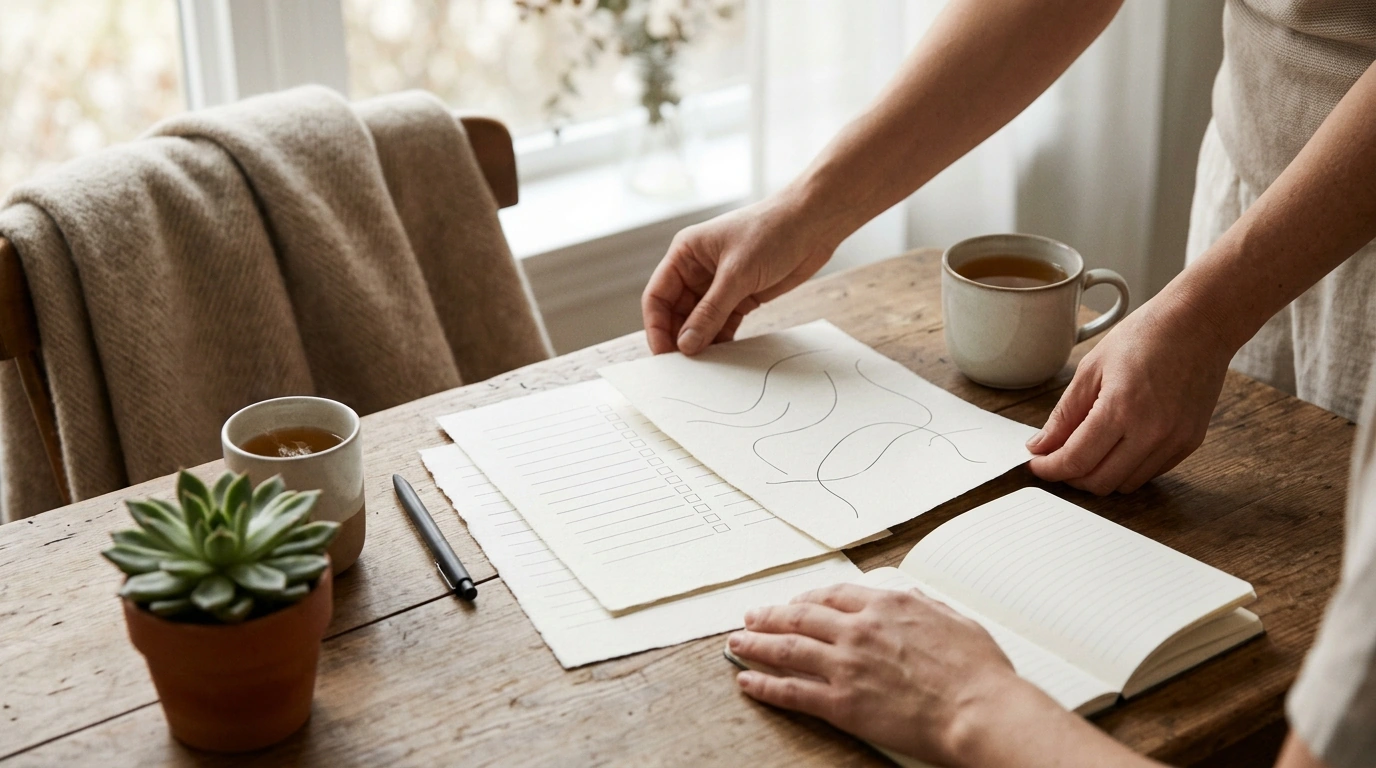
The Anxiety Relief Bundle: A Path to Calm — A 4-in-1 Support Kit for Daily Ease
Anxiety can show up as racing thoughts, tension in the body, difficulty sleeping, or a constant sense of worry. A practical bundle can help by turning calming skills into repeatable routines. The Anxiety Relief Bundle: A Path to Calm combines mindfulness exercises, positive thinking prompts, a printable checklist, and a course-style outline so daily practice feels clear, doable, and structured.
If you’re looking for tools that are simple enough for busy days yet flexible enough for stressful seasons, this type of bundle can make it easier to practice consistently. For background on anxiety and evidence-informed coping, you can also review resources from the National Institute of Mental Health and the American Psychological Association.
What’s included in the 4-in-1 bundle
- Mindfulness exercises to reduce mental noise and reconnect with the present moment
- Positive thinking tools to challenge unhelpful thought patterns and build steadier self-talk
- Printable checklist to track habits and keep momentum during stressful weeks
- Course outline format that organizes the materials into a step-by-step learning path
- Designed for short, repeatable sessions that fit into mornings, breaks, or evenings
The “bundle” approach matters because it removes friction: you’re not hunting for the next exercise or wondering what to do when anxiety spikes. Instead, you can follow a simple sequence—practice, reflect, track, repeat.
Who this bundle can help (and when it’s most useful)
- People who feel overwhelmed by worry, overthinking, or constant “what if” scenarios
- Those who want structured guidance rather than piecing together random exercises
- Anyone who prefers printable, screen-free tools for calming routines
- Busy schedules: quick practices for commuting, lunch breaks, or pre-sleep wind-downs
- Support for high-stress seasons (work deadlines, family demands, transitions)
This kind of support kit is especially useful when you’re mentally tired. Decision fatigue can make even helpful coping skills feel “too hard” to start—so having ready-to-go prompts and a plan can lower the barrier to taking the next small step.
How to use the bundle: a simple weekly rhythm
- Start small: choose one mindfulness exercise daily for 5–10 minutes to build consistency
- Pair it with a positive thinking prompt to reframe one recurring anxious thought
- Use the checklist to track only 2–3 habits at first (more isn’t always better)
- Review the course outline weekly to pick a focus skill (breathing, grounding, thought-challenging)
- Adjust intensity based on stress level: shorter sessions on hard days, deeper sessions on easier days
Example 7-day practice plan (mix-and-match)
| Day | Mindfulness practice | Positive thinking focus | Checklist item |
|---|---|---|---|
| Day 1 | 2-minute grounding with the senses | Name the worry, write one alternative explanation | Completed 1 short practice |
| Day 2 | Breath counting for 5 minutes | Replace all-or-nothing language with balanced wording | Noted one helpful thought |
| Day 3 | Body scan (short version) | List one coping strength used before | Logged stress level 1–10 |
| Day 4 | Mindful walk or mindful tea/coffee | Write a realistic “next step” instead of a big solution | Did one calming activity |
| Day 5 | Thought labeling (“planning,” “judging,” “worrying”) | Create a compassionate phrase to repeat | Practiced self-kindness |
| Day 6 | Progressive muscle relaxation (brief) | Challenge a prediction with evidence for/against | Checked off sleep routine step |
| Day 7 | Gentle reset: slow breathing + gratitude note | Identify what’s in control vs. not in control | Weekly review completed |
Mindfulness exercises that work well for anxious moments
- Grounding with the senses: identify 5 things seen, 4 felt, 3 heard, 2 smelled, 1 tasted
- Breathing patterns: steady exhale-focused breathing to reduce physical stress arousal
- Body scan: notice tension without judgment and practice releasing it gradually
- Noting practice: label thoughts as “thinking” and return attention to the present task
- Micro-mindfulness: 60-second pauses before meetings, messages, or stressful conversations
When anxiety is loud, the goal isn’t to “empty your mind.” The goal is to create just enough space to respond instead of react—one breath, one sensation, one moment at a time.
Positive thinking without forced optimism
- Aim for balanced thoughts, not perfect positivity; the goal is realism that reduces panic
- Replace catastrophic predictions with probability-based statements (what is likely vs. feared)
- Use compassionate self-talk: speak as if supporting a close friend in the same situation
- Practice “both/and” thinking: “This is hard, and support is available”
- Track small wins on the checklist to build evidence of coping and progress
Building a calm routine that lasts
If stress is affecting sleep, focus, or relationships, pairing self-guided tools with professional care can be especially helpful. The CDC’s coping with stress guidance offers additional strategies to build resilience day-to-day.
Helpful add-ons for a calmer, more organized environment
- The Anxiety Relief Bundle: A Path to Calm | 4-in-1 Bundle | Mindfulness Exercises, Positive Thinking, Printable Checklist & Course Outline
- A Place for Everything Your Pet Needs: Organizing Pet Supplies Neatly Made Easy – eBook Download
- Car Maintenance Schedule for Every Mile: A Complete Guide to Car Maintenance by Mileage
FAQ
How long does it take to notice a difference with mindfulness and thought tools?
Many people notice a short-term shift during or right after practice (like a calmer body or clearer thinking), with steadier improvements after consistent daily use over a few weeks. Keeping sessions small and tracking them on a checklist can make progress easier to see.
Is this bundle appropriate for beginners?
Yes—beginner-friendly structure helps because you can follow simple, step-by-step guidance rather than trying to design a plan from scratch. Starting with the shortest exercises and building up is often the easiest way to stay consistent.
Can the checklist be printed and reused?
Yes. You can print multiple copies for weekly use, keep them in a binder, or laminate a page and use a dry-erase marker to reuse the same sheet as a weekly reset tool.









Leave a comment